Joss paper, also known as spirit money or ghost money, plays a significant role in traditional Chinese rituals, especially during ancestral worship, funerals, and various Taoist or Buddhist ceremonies. Used as a symbolic offering, joss paper is often burned to send wealth and blessings to ancestors or deities in the afterlife. The specific materials from which joss paper is made vary by tradition, purpose, and regional practices, each with its own meaning and symbolism. This article explores the different materials used to make joss paper and the significance behind them.
1. Rice Paper (Bamboo Paper)

One of the most traditional materials for making joss paper is rice paper, sometimes referred to as bamboo paper due to its origin. Rice paper is made from bamboo or rice straw fibers, and it has a thin, lightweight, and fibrous texture. This material is highly valued for its connection to nature and the earth, making it a respectful offering to ancestors.
In ancient times, rice paper was handcrafted, imbuing each sheet with cultural and spiritual significance. As it burns, the smoke rises to the heavens, symbolizing the delivery of the offerings to the spiritual world. Rice paper joss paper is often plain or lightly adorned with simple symbols of prosperity.
2. Wood Pulp Paper
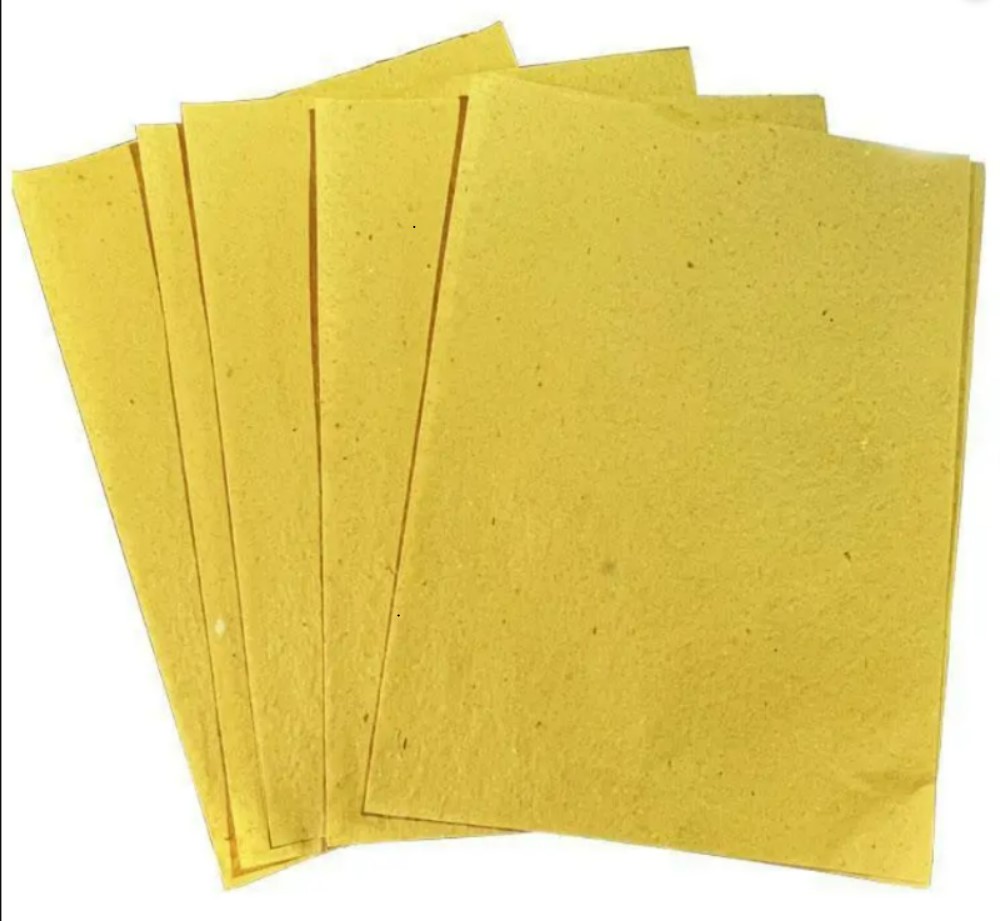
Modern joss paper is commonly made from wood pulp, similar to regular paper used in books or newspapers. Wood pulp joss paper is more affordable and widely available, making it a practical choice for everyday offerings. While not as delicate as traditional rice paper, wood pulp-based joss paper is still valued in many ceremonies.
This material has a rougher texture and can be printed with various symbols and motifs, depending on the type of offering being made. In many cases, wood pulp paper is adorned with bright red or gold inks, representing wealth and good fortune. The accessibility of wood pulp joss paper makes it a popular choice for both personal and communal rituals.
3. Foil Joss Paper
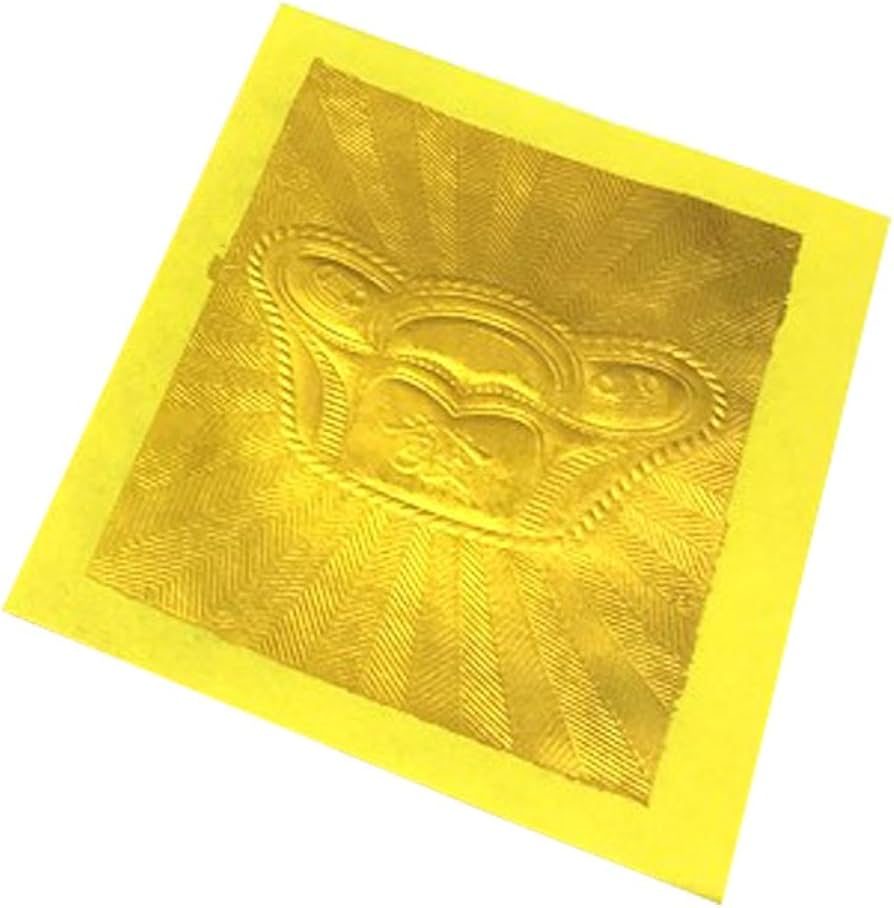
Perhaps the most distinctive type of joss paper is made with foil, usually in gold or silver tones. These foil papers are believed to represent wealth and abundance, making them ideal for offerings intended to send prosperity to ancestors or deities. The metallic sheen of the foil is thought to be particularly attractive to spirits, who may view it as a form of currency in the afterlife.
Foil joss paper is often used during major festivals such as the Qingming Festival (Tomb Sweeping Day) or the Hungry Ghost Festival, where large quantities are burned as a symbol of generosity toward deceased loved ones. Gold foil is typically used for offerings to gods and ancestors, while silver is reserved for lower-ranking spirits.
4. Recycled Paper
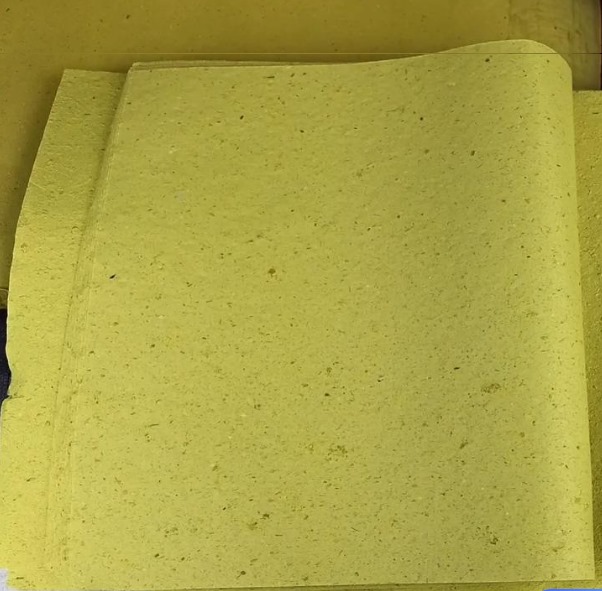
In recent years, as environmental concerns have grown, some joss paper manufacturers have started producing recycled paper options. These papers are made from a mix of reused materials and are designed to reduce the environmental impact of burning large quantities of joss paper during festivals and ceremonies.
Although recycled paper joss paper is less traditional, it has been embraced by eco-conscious practitioners who want to maintain cultural practices while minimizing waste. The texture of recycled joss paper is usually rougher, and the colors may be more muted compared to foil or wood pulp papers, but they still serve the same spiritual purpose.
5. Fabric-Based Joss Paper
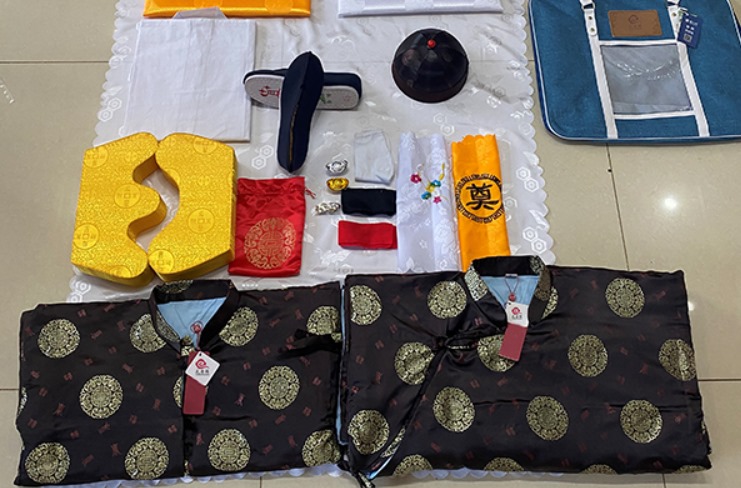
A lesser-known variant of joss paper is made from fabric or cloth-like materials. These are not burned in the same way as paper offerings, but instead, they are presented as material wealth to spirits, such as clothing or cloth items for the deceased to use in the afterlife. This form of offering is rarer and usually reserved for special occasions or high-status individuals.
The Cultural Significance Behind Material Choice
Each material used in the creation of joss paper carries a unique cultural and symbolic meaning. The choice of material often depends on the status of the individual being honored, the occasion, and the specific spiritual or religious practice. For instance, simple rice or wood pulp paper may be used for daily offerings, while more elaborate foil papers might be burned during special festivals or for important figures in a family’s lineage.
The act of burning joss paper is believed to transform the paper into spiritual currency or objects that the deceased can use in the afterlife. Whether it is clothing, money, or goods, each offering is intended to show respect, provide comfort, and maintain the connection between the living and their ancestors or deities.
Conclusion
Joss paper is a deeply rooted tradition in Chinese culture, where the material choice plays a significant role in honoring the spiritual world. Whether made from traditional rice paper, modern wood pulp, or luxurious gold foil, joss paper serves as a symbolic gesture of reverence, love, and connection. As the ritual of burning joss paper evolves, newer materials such as recycled paper are making their way into modern practices, reflecting a balance between cultural continuity and environmental mindfulness.
In every variation, joss paper continues to be a vital part of rituals that bridge the physical and spiritual worlds, offering blessings, wealth, and comfort to ancestors and deities alike.
 Funeral Memorial
Leave a comment