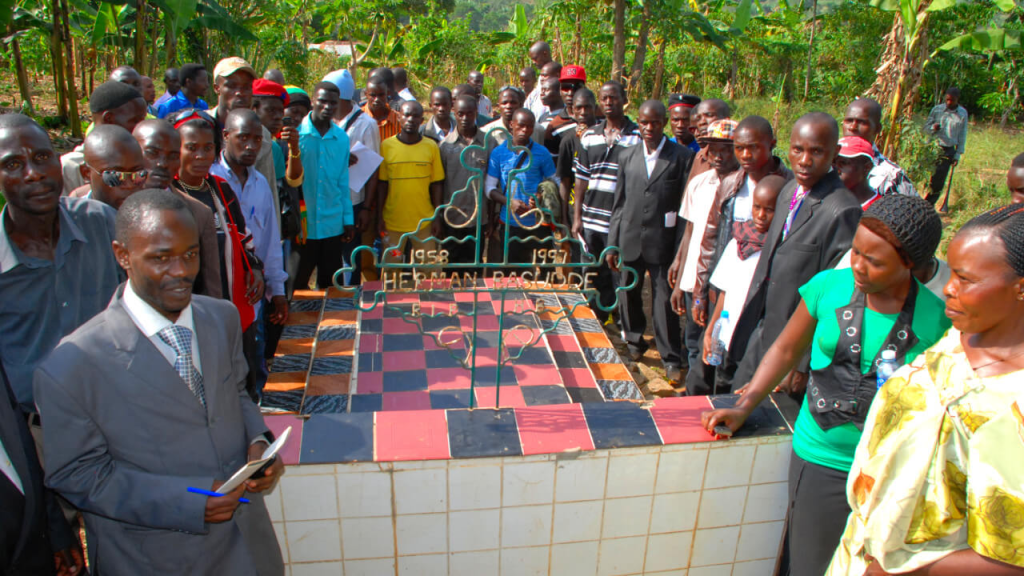
In Uganda, funerals are not just a time of mourning; they are a deeply emotional, spiritual, and community-centered event. They offer a way to honor the dead, comfort the grieving, and bring together extended families and neighbors in a show of solidarity. Though traditions may vary across Uganda’s many ethnic groups, one thing remains constant: death is seen as a profound passage, a transition that connects the living with the spirit world.
A Time for Coming Together
In Uganda, death brings people together in a way few other events do. The home of the deceased becomes the heart of activity, with people traveling long distances, often from cities back to villages, to pay their respects. This sense of communal responsibility is a vital part of Ugandan culture. Neighbors and family members share in the tasks of funeral preparation, from digging the grave to cooking meals for mourners.
The days following a death are filled with gatherings, prayers, and conversations. Friends and relatives arrive in waves, sometimes sleeping at the home of the bereaved, offering support and comfort. In rural areas, it’s common for entire villages to turn out to show solidarity, offering food, condolences, and helping hands to the grieving family. Funerals are not a private matter—they belong to the community.
The Vigil: A Night of Reflection and Storytelling
One of the most important aspects of a Ugandan funeral is the lumbe, or vigil, held the night before the burial. During this all-night vigil, people gather to sing, pray, and tell stories about the deceased. It is a time to reflect on the person’s life, share memories, and ensure that their spirit is properly honored.
For some, the vigil is a quiet and solemn affair, filled with prayers and hymns. For others, it is lively, with traditional songs, drumming, and dancing. These activities are believed to help guide the spirit of the deceased to the afterlife. Elders often take a prominent role during the vigil, offering wisdom, performing rituals, and reminding the younger generation of the importance of remembering their ancestors.
Regional Variations in Funeral Traditions
Uganda’s rich cultural diversity means that funeral traditions can vary widely depending on the ethnic group. For example:
- Buganda (Central Uganda): Among the Baganda people, funerals are highly structured events with elaborate protocols. After the death, the body is prepared and placed in a coffin, traditionally wrapped in bark cloth. The funeral may be delayed for several days or even weeks to allow time for all family members, especially those living far away, to arrive. Once buried, mourning continues for several days as the family abstains from certain activities to show respect for the dead.
- Acholi (Northern Uganda): For the Acholi people, the funeral is a more vibrant occasion. After mourning, there is often traditional dancing and music, aimed at celebrating the life of the deceased and ensuring the spirit finds peace. Rituals, including offerings to the ancestors, may be performed to help the spirit transition smoothly to the next world.
- Banyankole (Western Uganda): In the Banyankole culture, the dead are traditionally buried in a sitting position, symbolizing their readiness for rebirth or the continuation of life. The funeral is seen not just as a goodbye, but as a way to honor the cycle of life and death.
The Role of Religion in Ugandan Funerals
In modern Uganda, religious practices often play a significant role in funeral ceremonies. The majority of Ugandans identify as Christian, and funerals typically include a church service, complete with prayers, scripture readings, and hymns. The service is an opportunity for family members to share eulogies and reflect on the life of the deceased through a Christian lens, emphasizing the hope of eternal life.
For Muslims, funeral practices are guided by Islamic traditions. The body is washed and wrapped in a simple shroud before being buried as soon as possible, usually within 24 hours of death. Prayers, or salat al-janazah, are offered, and the community gathers to console the family. Islamic funerals tend to be more subdued, focusing on humility and the belief in the afterlife.
Despite the influence of Christianity and Islam, traditional spiritual beliefs continue to play a significant role in many Ugandan funerals. The spirits of ancestors are often invoked, and rituals may be performed to ensure that the deceased’s spirit is at peace and does not disturb the living. This blending of religious and traditional practices reflects the deep cultural respect for the dead and the desire to maintain harmony between the living and the spiritual world.
A Celebration of Life and Legacy
Though Ugandan funerals are undoubtedly a time of grief, they are also a celebration of the deceased’s life and legacy. After the burial, it is common for the community to hold a feast, where people share food, continue to tell stories, and comfort the family. In many ways, the funeral marks the beginning of a new relationship with the deceased, one that exists in memory and spirit.
This balance between mourning and celebration is central to the Ugandan approach to death. Funerals serve as a reminder that while life on earth may end, the bonds of family and community do not. The deceased continue to live on through their descendants, through the land, and through the traditions that have been passed down for generations.
In Uganda, death is not the end—it is a transition, a return to the ancestors, and a moment for the living to reaffirm their place within the larger story of life.
 Funeral Memorial
Leave a comment